
08.2026 Cover Story
Turning Green into Gold: Asia Cement Corporation's New Thinking on Low Carbon Transformation
Asia Cement Corporation / Chen Zhixian

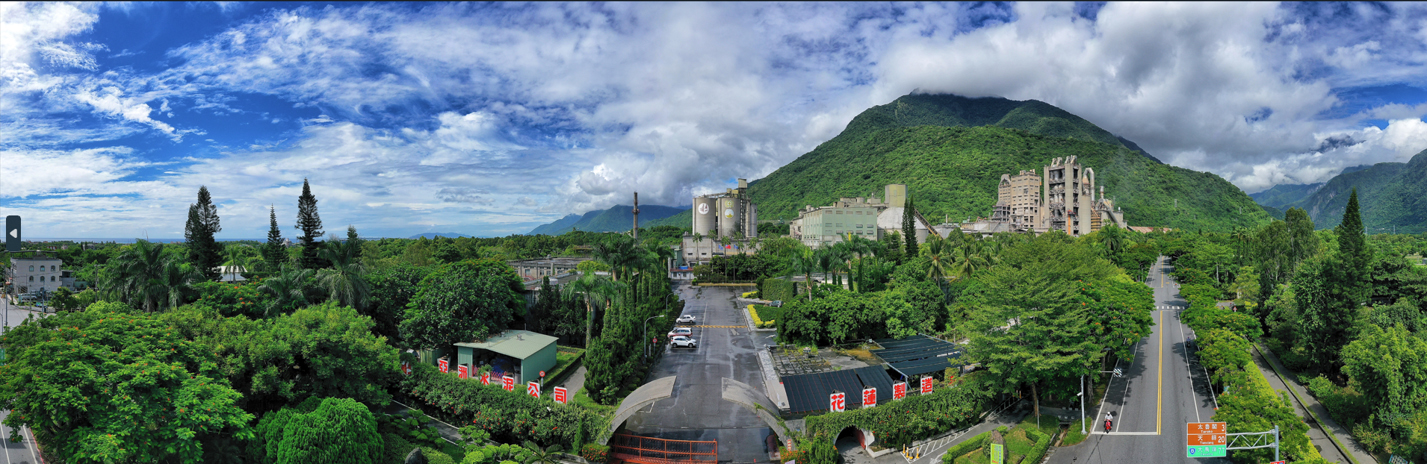 Faced with the global net zero wave, Asia Cement Corporation has taken "recycled economy" as its core transformation direction, gradually establishing a new operating model that combines environmental benefits and industrial value through raw material/fuel substitution, low-carbon products, process improvement, and carbon sequestration technology layout.
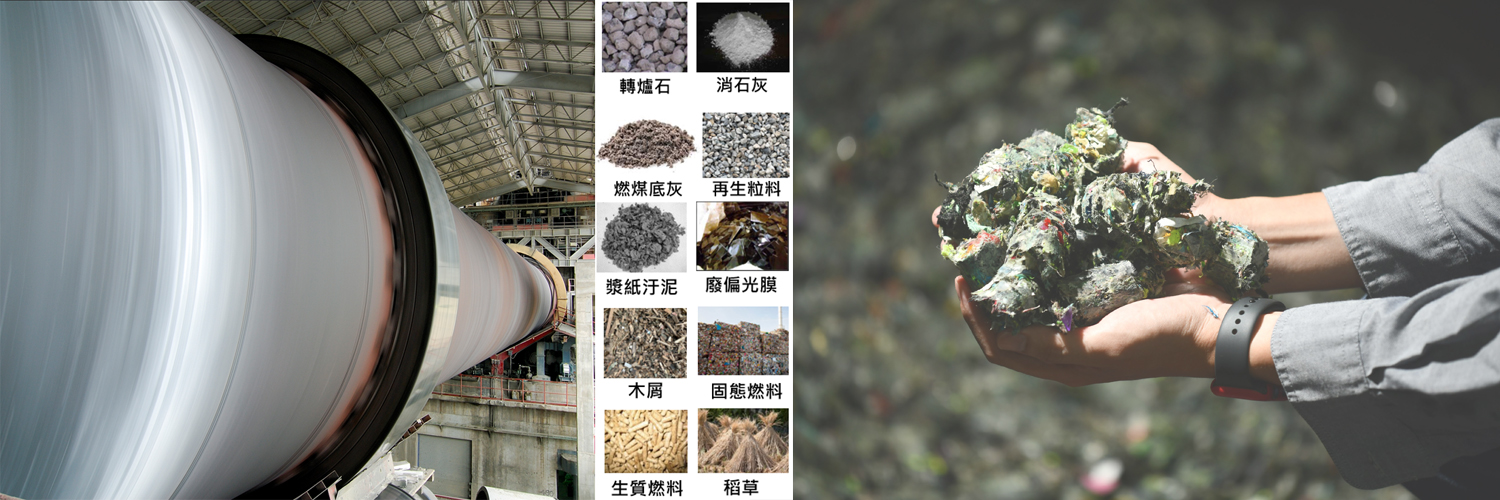 Cement concrete is an indispensable basic building material for supporting transportation construction, public works, and urban development, and has become the most widely used artificial material by humans. However, when it comes to the cement industry, many people often think of the traditional heavy industry image of high energy consumption and high carbon emissions. This is because cement production first requires the extraction of limestone, and the process must invest a large amount of natural resources and energy. In addition to the combustion of fossil fuels, the main raw material limestone also releases a large amount of carbon dioxide when heated and decomposed. In addition, the carbon emissions required for equipment operation make the carbon emissions of the cement industry as high as 7% of the global total, which has been recognized as the industry with the most carbon reduction challenges.
Faced with the global trend towards net zero and the continuous increase in carbon costs, how to balance infrastructure needs, low-carbon transformation, and sustainability development has become an important issue for the cement industry. Asia Cement Corporation is advancing its four major strategies of recycled economy, low-carbon cement, process efficiency, and carbon capture and reuse (CCU), gradually building a low-carbon development model that combines environmental benefits and industrial competitiveness.
Transforming waste into treasure, cement rotary kiln transforms into recycled economy engine
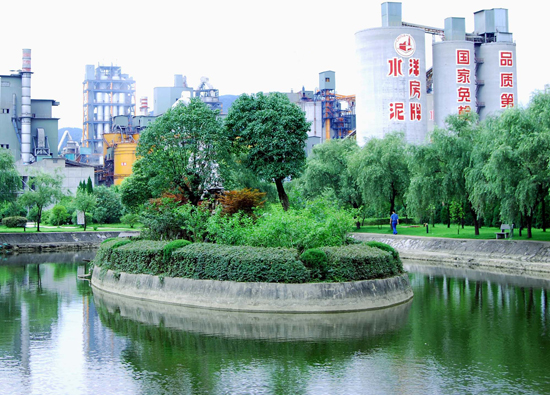
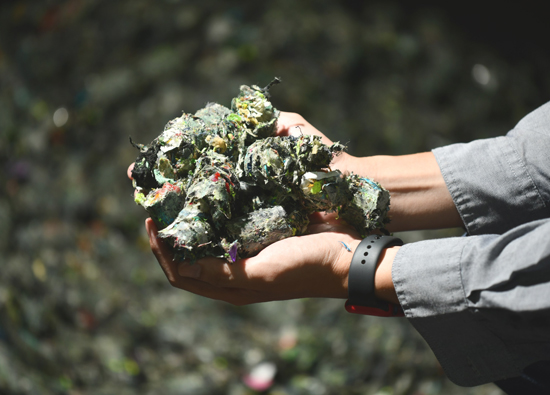
Since 2019, Asia Cement Corporation has redefined the role of cement rotary kilns by focusing on "recycled economy". In the past, rotary kilns were only equipment for burning clinker, but now they have become a "giant circulation stomach" for industrial and urban waste. Through high-temperature, long retention time, and high turbulence processes, the thermal energy and substances in the waste materials can be simultaneously recovered in the rotary kiln, which is called co processing. It can completely remove and reuse various waste and industrial by-products as alternative raw materials and alternative fuels.
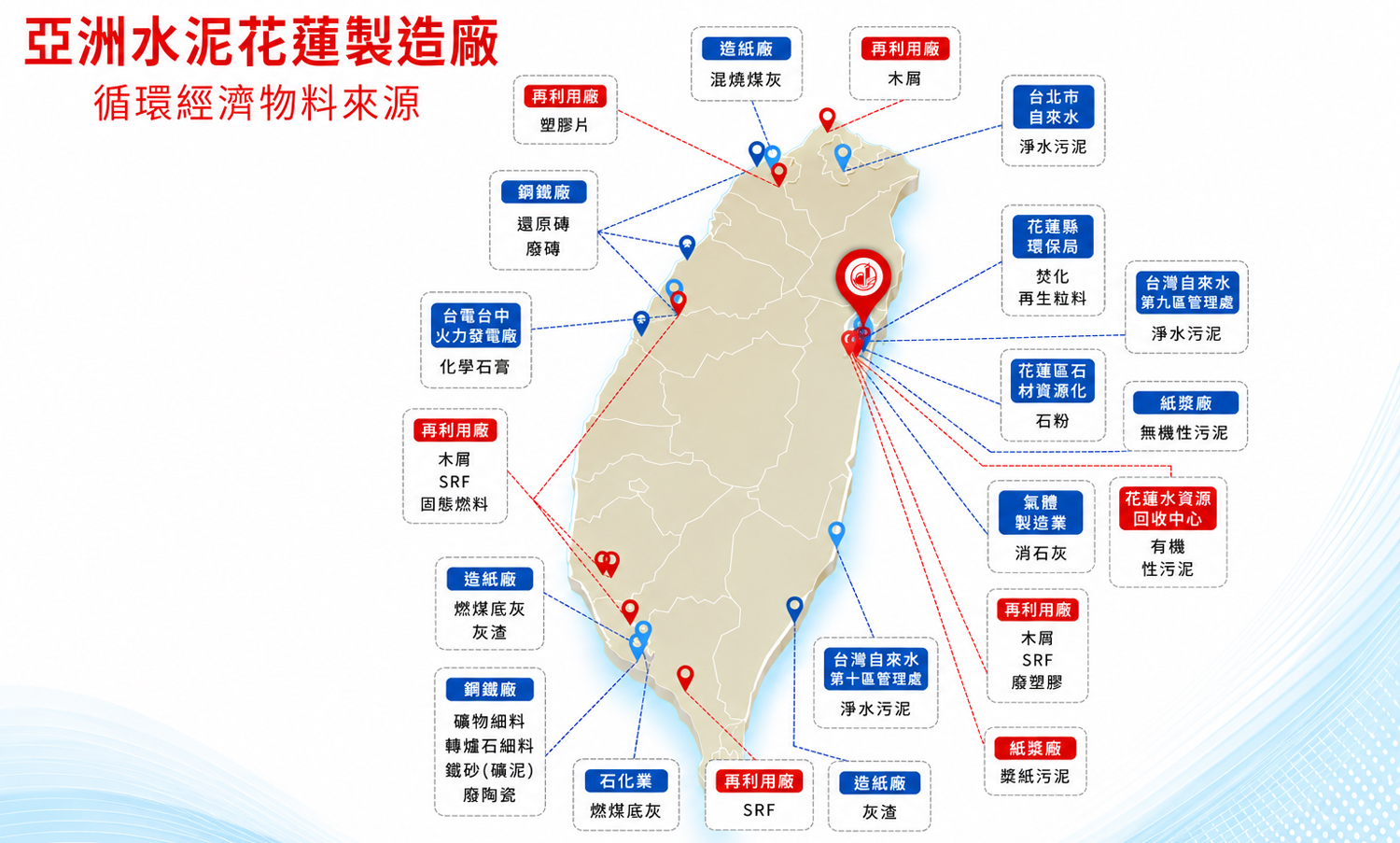
In terms of alternative raw materials, Asia Cement Corporation imports industrial by-products such as mineral fines, converter slag, and reduced slag produced by the steel industry to replace some natural limestone, in order to reduce carbon emissions caused by the decomposition of calcium carbonate during the calcination process; The fuel component uses biomass or low-carbon emission coefficient materials as alternative fuels to coal, including sawdust, pulp and paper sludge, waste plastics, solid recycled fuels, etc., which can reduce dependence on coal and lower carbon emissions.
By the end of 2025, Asia Cement Corporation has removed approximately 2.43 million tons of alternative raw materials and 200000 tons of alternative fuels, equivalent to the transportation capacity of 240000 large garbage trucks, with a total carbon reduction of up to 820000 tons. While maintaining the "artery" function of economic development, it also plays a dual role of "vein" waste removal, making outstanding contributions to assisting the government and industry in solving the problem of waste removal and reducing the consumption of natural resources. It has won numerous awards and encouragement, and has created new industrial value for itself, forming a green chain that combines environmental benefits and economic value.
Four major fronts are advancing simultaneously to achieve SBTi goals for six consecutive years
Reducing the proportion of clinker in low-carbon cement is a key strategy. In recent years, Asia Cement Corporation has been leading the industry in developing low-carbon products such as masonry cement and Portland limestone cement while maintaining material performance and quality, and all of them have obtained carbon label certification from the Ministry of Environment. By 2025, the sales volume of low-carbon cement will reach 80000 tons, an increase of 62% compared to the previous year.
In terms of improving process efficiency, Asia Cement Corporation and its subsidiaries continue to promote equipment upgrades, energy efficiency optimization, and the introduction of renewable energy. By 2025, a total of 22 energy-saving plans will be implemented, resulting in a cumulative savings of 322 TJ in calorific value and 4.07 million kWh of electricity; The solar power generation capacity reaches 4446 kWh, and the annual power generation from waste heat recovery at the Hualien plant is nearly 70 million kWh, which is equivalent to reducing the purchased electricity of the entire plant by 22%. The overall energy consumption intensity has decreased by 4.7% compared to the benchmark year.
recycled economy 、 Although the implementation of low-carbon products and process efficiency improvement has gradually expanded, the cement industry still needs to face a core issue: the emissions generated by limestone calcination account for about 60% of the total emissions, which are difficult to effectively reduce in the short term. Therefore, Asia Cement Corporation is well aware that "carbon capture and reuse technology" is the key puzzle towards net zero by 2050. So in recent years, we have actively invested in carbon capture and reuse (CCU), combining recycled economy with CCU technology to develop breakthrough and innovative technologies. This involves using "high-efficiency supergravity equipment" to form an extremely thin liquid film through high-speed rotating beds, greatly improving the absorption efficiency of CO ₂. Then, industrial by-products rich in calcium oxide or waste concrete are used for re carbonation reactions, which can stably store CO ₂ in the material. The re carbonated material can be provided to Ya Tung Ready Mixed Concrete Corporation as a substitute for natural sand, forming a low-carbon construction ecosystem that combines environmental benefits and market competitiveness.
 The Hualien factory has completed the establishment of a laboratory scale system by 2025, with a maximum carbon sequestration capacity of about 200 kilograms of CO ₂ per metric ton of material. This year, a medium-sized experimental system will be further established as an important foundation for industrial application and factory introduction in the next stage, aiming to achieve the goal of carbon sequestration of 18000 tons by 2030 and 36000 tons by 2035.
Under the synchronous promotion of the four major strategies, Asia Cement Corporation has achieved the Science Based Carbon Reduction Initiative (SBTi) target for six consecutive years. By 2025, the emission intensity per ton of cementitious materials has decreased from 0.878 in 2019 to 0.781, a decrease of 11%, which is better than the 8% reduction target promised to SBTi.
Moving towards the low-carbon building supply chain market to pay for low-carbon value
By 2025, all products under Asia Cement Corporation have obtained carbon label certificates from the Ministry of Environment. However, the company's goal is not only to reduce carbon emissions on its own, but also to extend the carbon reduction benefits to downstream supply chains and drive the overall transformation of the construction industry. Therefore, Asia Cement Corporation has fully implemented ISO 14067 product carbon footprint management to assist clients in conducting full lifecycle carbon assessments during the early stages of project planning, enhancing the transparency of low-carbon building materials applications.
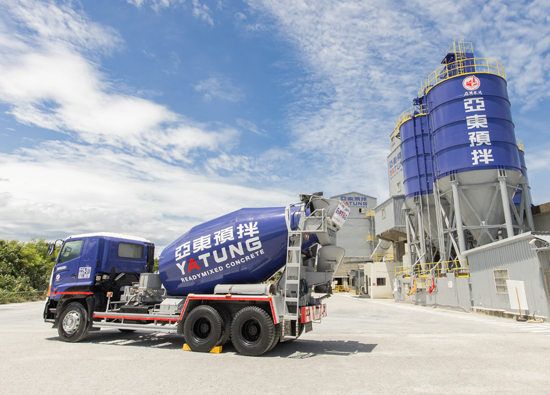
Currently, Asia Cement Corporation is collaborating with Ya Tung Ready Mixed Concrete Corporation to develop high-performance concrete that can reduce carbon emissions by 20 to 50%, effectively reducing the "carbon content" of buildings from the source. Last year, both sides worked together to promote the construction of 22 low-carbon building materials projects. The sales volume of low-carbon concrete reached nearly 90000 cubic meters, an annual increase of 133%. The newly built factories of Taiwan's leading semiconductor industry have been introduced and applied, adding further support to the low-carbon construction ecosystem.
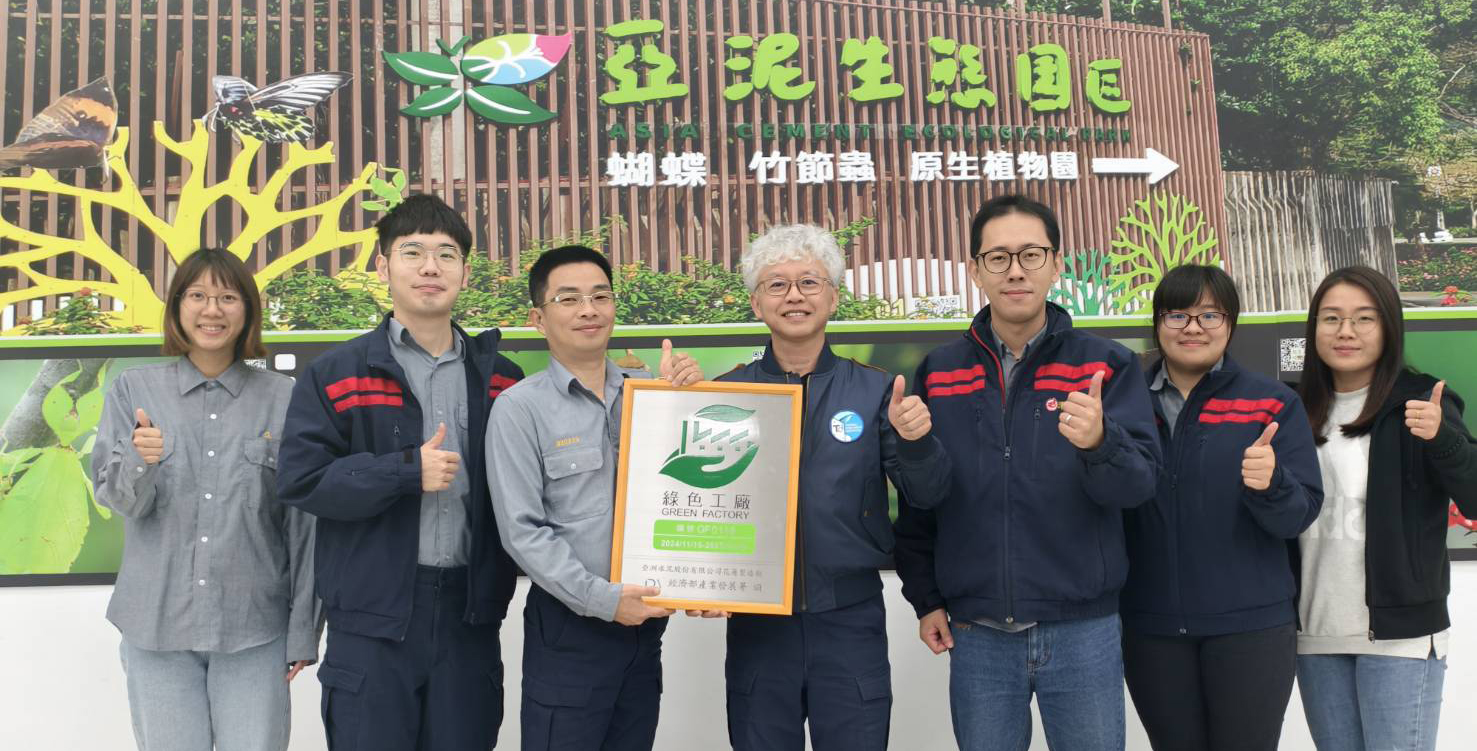 New positioning of cement plant from high carbon industry to net zero promoter
In the era of net zero, the competition rules in the cement market are undergoing a comprehensive reversal. In the past, companies competed in terms of quality, cost, price, and production capacity. Nowadays, with the gradual formation of low-carbon supply chains, green procurement, and carbon border adjustment mechanisms (CBAM), the focus of global supply chain attention has fully shifted to companies' "carbon emission management" and "carbon reduction capabilities". Whether a company has the ability to integrate circular resources, apply low-carbon technologies, and manage its supply chain in response to carbon fees and carbon border systems will become important keys to its future competitiveness.
From recycled economy, low-carbon cement, process efficiency, to carbon capture and reuse, Asia Cement Corporation has gradually established the foundation and capabilities for low-carbon transformation, which also proves that the development of traditional heavy industry and the environment can go hand in hand. Cement enterprises are not only suppliers, but also drivers of low-carbon building materials and net zero transformation, continuously supporting the industry and economy towards sustainable development.
#