
09.2026 Group Briefing
The 3rd International Symposium on Neurodiversity in Children and Adolescents Far Eastern Memorial Hospital collaborates with experts from Taiwan, the United States, and Japan to explore and support new laws
Far Eastern Memorial Hospital / Luo Yiyu

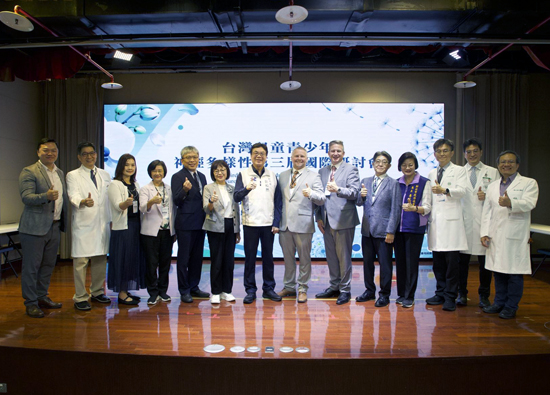
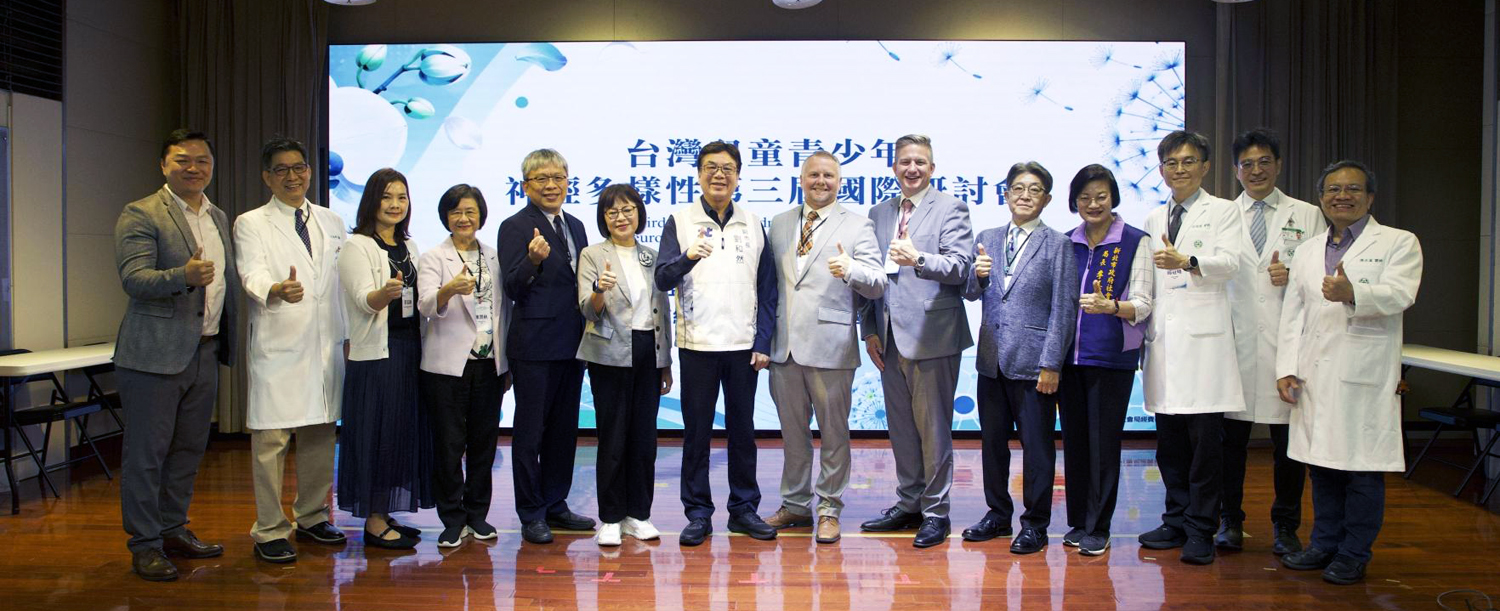 The 3rd International Symposium on Neurodiversity in Children and Adolescents in Taiwan was held on September 12th at Far Eastern Memorial Hospital, inviting experts from Taiwan, the United States, and Japan to explore how to integrate professional support into children's daily lives from the perspectives of family understanding, clinical care, treatment participation, and life skills development.
According to international data, it is estimated that about 15% to 20% of the population has potential neurological diversity traits, but the needs of many children have not been identified early on. Dr. Chiu, Dean Kuanming, stated that every child is unique and should be replaced with tolerance and understanding instead of misunderstandings. Far Eastern Memorial Hospital will continue to extend medical support to families and communities through cross disciplinary child and adolescent neurodiversity co care demonstration centers.
Vice Mayor Liu He ran of New Taipei also stated that children with neurological diversity need someone to accompany them back to their daily lives after leaving hospitals and classrooms. New Taipei City will combine cross disciplinary shared care centers and a life companion system, linking medical, educational, and social resources to provide support according to the pace of children.
Moving from the clinic to daily life, establishing a cross disciplinary shared care and companionship model
This year, the Health Bureau of the New Taipei City Government collaborated with Far Eastern Memorial Hospital to establish the first "Child and Adolescent Neurodiversity Co Care Demonstration Center" in New Taipei City, assisting children and families in connecting medical, educational, and social resources. Through cross disciplinary and cross system cooperation, the accessibility and fairness of medical resources are enhanced, and support is extended to children's families, schools, and daily lives.
The Section Chief of Far Eastern Memorial Hospital's Child and Adolescent Neurodiversity Co Care Center and the Chairman of the Taiwan Youth Neurodiversity Action Association, Zhen Ruixing, pointed out that neurodiversity is not a medical clinical diagnosis, but a condition that encompasses autism, autism, and autism with different brain operation modes due to differences in brain development ADHD、 A general term for people with reading disorders, developmental coordination disorders, Tourette's syndrome, and other conditions. According to data from the United States, approximately 3.2% of 8-year-old children are identified as having autism spectrum disorder; About 11.7% of children aged 3 to 17 are currently diagnosed with ADHD, highlighting the importance of early identification and support. The association will also further promote the training of life running instructors and cultivate support talents that span across healthcare, education, and family.
The system also needs to be changed to fill the gap in cross system support for children and adolescents
Legislator Lin Yuet chin stated that when it comes to children with neurological diversity, we should not only see their differences from others, but also understand their needs and provide support. In the future, cross departmental cooperation in health, education, and social governance systems should also be strengthened to gradually implement support services in various counties and cities. Director Chen Baixi of the Ministry of Health and Welfare believes that every child's brain and development process are different, and even with innate limitations, they may have different advantages and expertise. The government will continue to connect mental health and child family service resources to reduce the situation of fragmented support systems.
Understand the needs behind behavior and adjust support methods according to the child's state
Section Chief Lin Yuru from Far Eastern Memorial Hospital's Child Development Center explains common conditions such as ADHD, autism, learning disabilities, anxiety, and difficulty regulating emotions. The global prevalence of autism is about 1%, which is equivalent to about 10 people per 1000 people. She pointed out that children who appear to be disobedient, careless, or emotionally out of control may have underlying differences in neural regulation and cognitive function; The same diagnosis may present completely different traits and needs in different children, so it is important to first understand where the child is stuck before providing appropriate assistance.
Drew Davis, the clinical director of Telos North Campus in the United States, introduced the excellent clinical care and Information Dept management methods for neurodiversity, explaining how adults can adjust their companionship based on the stress response and understanding abilities of adolescents. Through relationship building, listening, and skill practice, they can assist children in facing emotional and life challenges.
Extending from treatment to creating an environment where one can participate and belong in daily life
Barry Fell, Executive Director of Telos North Campus in the United States, shared practical experience on developing life skills, operating residential treatment facilities, and improving treatment effectiveness. He pointed out that life running is not a replacement for treatment, but rather helps teenagers apply their emotional regulation, time management, communication, and sense of responsibility skills to their daily lives.
Dr. Toshiaki Sasao, Honorary Professor of Community Psychology at Tokyo International Christian University in Japan, pointed out that the bullying, school refusal, isolation, and family pressure faced by children with neurodiversity should not be understood solely from personal diagnosis. It is also necessary to examine whether the family, school, and community environments have sufficient flexibility and support, so that children with different traits can participate in society, establish a sense of belonging, and play to their strengths.
#