
08.2026 Cover Story
Asia Cement Corporation (China) opens up a new chapter with green and intelligent manufacturing
Far Eastern Magazine / Editorial Room

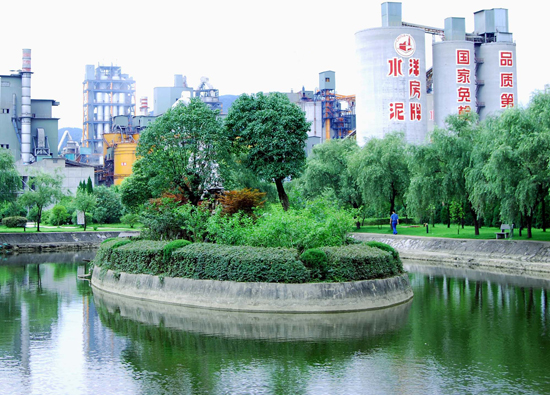
 In recent years, the real estate investment and construction indicators in mainland China have continued to decline, and the funding rate for transportation infrastructure construction is low. In addition, with the comprehensive promotion of policies such as overproduction control, staggered production, and carbon markets, most cement industry players are facing a cold winter of prosperity. Faced with the traditional logic of scale competition becoming ineffective, "stock optimization" and "efficient low-carbon" have become new keywords. How can Asia Cement Corporation (China) break through in this situation?
Turning waste into treasure to achieve low-carbon intelligent manufacturing
 Reducing carbon emissions is a tough battle that the cement industry cannot avoid. In response to the tightening of carbon quotas year by year, Asia Cement Corporation (China) has actively invested in technological transformation in recent years. Although it may increase costs in the short term, it also builds a moat that competitors find difficult to cross.
In this carbon reduction war, Asia Cement Corporation (China) is simultaneously advancing from three lines: energy, fuel, and raw materials. In terms of energy structure, as of the first quarter of 2026, the existing solar photovoltaic power generation capacity has reached 5687KW, and it is expected to add 3860KW in 2026, with an estimated annual power generation of 3.547 million kWh and a reduction of 1975.2 tons of carbon emissions. In the fuel sector, alternative fuel systems have been introduced year by year, with approximately 42000 tons of alternative fuels to be used by 2025, which has moderately alleviated the cost pressure caused by coal price increases and product price reductions. As for the raw material side, expanding the use of various industrial waste residues can effectively reduce carbon emissions. In 2025 alone, about 400000 tons of phosphate tailings and 700000 tons of phosphogypsum were processed.
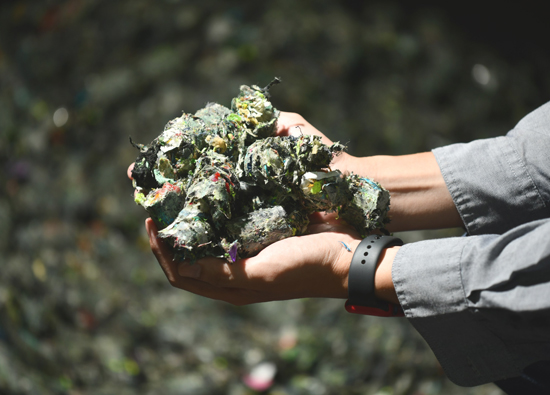
Among them, the most noteworthy is that Asia Cement Corporation (China) has upgraded waste disposal from a carbon reduction approach to a 'business'. Jiangxi Yadong Cement and Huanggang Oriental Petrochemical (Taiwan) have a total of seven clinker production lines. Currently, they have signed a contract with the Nanchang Municipal Government to undertake the collection, sorting, processing, and terminal disposal of industrial solid waste. The annual processing capacity exceeds 400000 tons and is expected to increase to one million tons in the future. The cooperation agreements on solid waste disposal in Wuhan, Jiangling Development Zone, Wuxue and other places are also being gradually promoted, hoping to work together with local governments to create a waste free city.
Not only does Asia Cement Corporation (China) collaborate with local governments, but also with private enterprises in various operational locations. Jiangxi Yadong Cement processes white clay for paper mills, replaces silicon powder waste for chemical factories, assists sand mills in processing mud cake waste, and uses professional equipment to dispose of hazardous waste. Huanggang Oriental Petrochemical (Taiwan) has invested in the construction of a 600000 ton modified phosphogypsum project, in cooperation with Hubei Xiangyun Group, to convert phosphogypsum, which was originally a pollutant, into a cement retarder. It is expected to be put into operation this year. The factory in Sichuan also assists Chengdu in processing drilling cuttings generated from natural gas exploration. These cross industry collaborations not only increase the revenue of Asia Cement Corporation (China), but also solve the company's problems and find a way out for various waste materials.
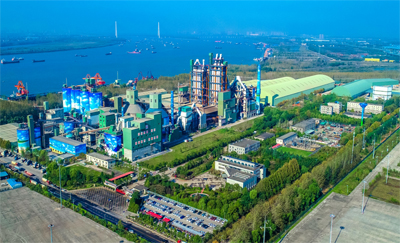 On the other hand, the digital control system of Asia Cement Corporation (China) has been fully launched, achieving efficient and low-carbon production through real-time energy consumption monitoring and intelligent production control. In addition, on-site research and investment evaluation of CCUS (Carbon Capture, Utilization, and Storage) technology have been completed, and new processes such as hydrogen calcination have entered the research and development demonstration stage, reserving chips for the company in future carbon trading market competition.
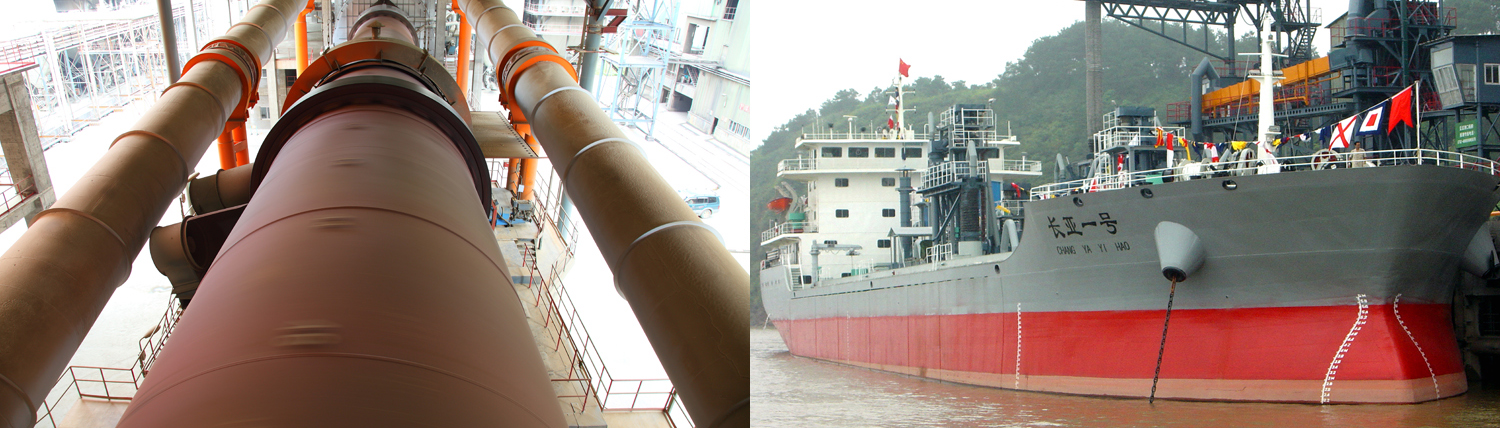
The logistics system is also continuously upgrading, with electric vehicles gradually replacing the land transportation part. Wuhan Changya Shipping, responsible for water transportation, also plans to phase out small and medium-sized ships and transform them into large self-propelled ships of 10000 tons, using hydrogen power. The goal is to increase the annual cargo volume of the Yangtze River from 10 million tons to over 20 million tons. Newly built ships can also apply for a special subsidy of 40% from the central government.
Strengthening operational resilience through internal and external integration
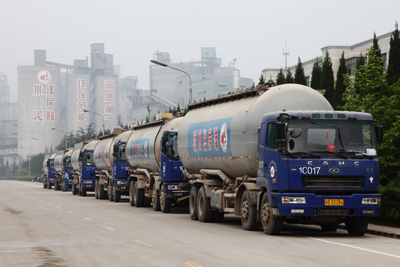 Despite the current tight domestic demand market, Asia Cement Corporation (China) continues to consolidate its core market share through market research and customer tracking. Its superior geographical location and logistics network also give the company confidence in expanding its business.
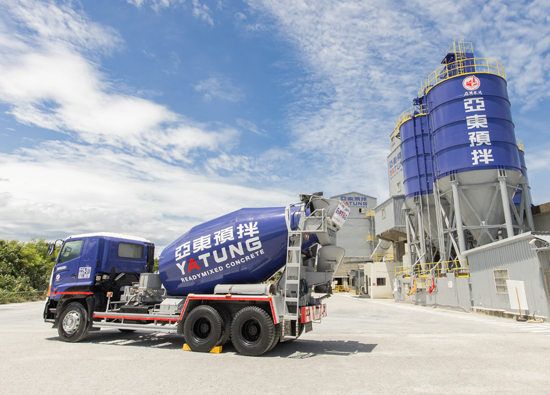
Due to the production bases in the southeast and central China being adjacent to the Yangtze River, with the support of affiliated enterprise Wuhan Changya Shipping's fleet, cement and clinker can be low-cost radiated to the entire middle and lower reaches of the Yangtze River market. The southwestern region is closer to Chengdu and can leverage the relatively closed market structure to form a natural regional barrier. The company has set up a warehouse and storage department to deliver goods directly to customers' warehouses or construction sites, creating integrated production, sales, and transportation services, and fully implementing price settlement to make revenue channels more diversified.
In addition to large-scale infrastructure projects and mixing plants, Asia Cement Corporation (China) also strives to expand its end customers and target the rural bagged cement market. It implements standardized palletizing packaging, three shift round the clock delivery, and delivers goods directly to customers' warehouses or construction sites, saving the labor of intermediate transportation and avoiding moisture damage to cement during transportation.
While consolidating domestic demand, Asia Cement Corporation (China) is also looking to overseas markets. Taizhou Port is a type of open port in mainland China, capable of accommodating 40000 ton sea vessels and located at the hub of Yangtze River sea intermodal transportation. The cement produced by Asia Cement Corporation (China) travels directly along the Yangtze River to this location, with one-stop transit to export to coastal countries in Southeast Asia and Africa, and its sales continue to expand. For the cement industry, which is currently experiencing a low season of domestic demand, it is undoubtedly a major source of vitality.
Supply chain symbiosis raises the threshold for competition
Looking to the future, with the comprehensive launch of the carbon market, the production capacity with poor physical fitness will accelerate its exit, and the industry order is expected to gradually return. However, more and more international brands and large enterprises are incorporating supply chain carbon emissions into their procurement standards, which has turned the green evaluation of cement plants from a bonus point to a ticket to participate in the competition. Only by taking the lead in completing the green transformation can we truly grasp the advantages of costs, channels, and supply chains.
Asia Cement Corporation (China) focuses on the three main axes of "green, smart, and value". Several of its mines have been rated as national level green mines, and the factories have fully completed ultra-low emission transformation and green factory certification. It has also started to establish supplier green access standards, requiring upstream manufacturers to provide ISO 14001 certification, carbon footprint data, and other environmental compliance certificates. Environmental performance, quality, delivery time, and cost are all included in the scoring, eliminating high pollution or lack of environmental compliance suppliers. At the same time, it enables upstream and downstream carbon data exchange, assists customers in completing supply chain carbon inventory, and constructs a complete green value chain. With a more resilient attitude, it welcomes the new round of market cycle.
#