
04.2026 Leader's Remarks
From Medical Centers to Health Hubs - Reshaping the New Face of Healthcare
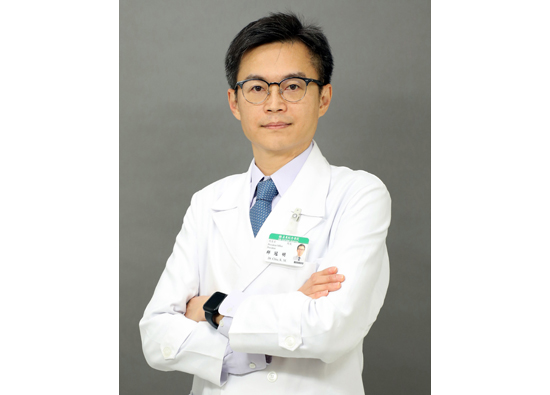
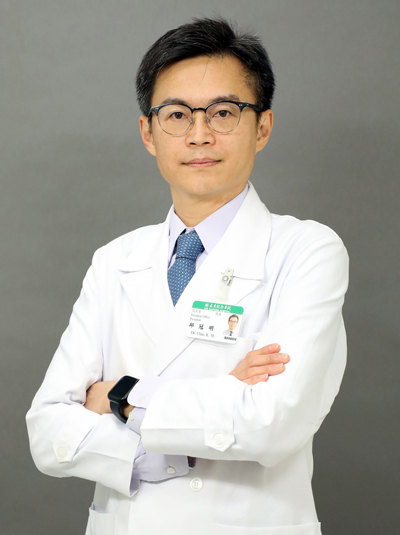
Far Eastern Memorial Hospital / Dr. Chiu, Dean Kuanming

 In the rapidly changing healthcare environment, leaders must not only respond to challenges, but also anticipate trends, integrate resources, and lay the direction for the next generation. Standing at the critical juncture of 2026, Far Eastern Memorial Hospital is facing not only the pressure of aging, increasing burden of chronic diseases, and changes in human resource structure, but also a historical opportunity for artificial intelligence, biomedical technology, and sustainable governance to comprehensively reshape the medical landscape. Therefore, it is necessary to redefine the role and value of hospitals in society.
Moving from 'medical institutions' to' health services'
For Far Eastern Memorial Hospital, the core strategy for 2026 is to upgrade the hospital from a traditional disease treatment field to a health service institution that connects prevention, diagnosis, treatment, rehabilitation, and long-term care management, so that medical care is no longer a place that people only think of when they are sick, but a lifelong companion to health.
This transformation means that hospitals are moving from "passive treatment" to "active prevention", and from "single point care" to "continuous management". We will establish a patient-centered health ecosystem through data integration and cross domain collaboration, extending care from the hospital to families and communities, and truly integrating medical services into daily life scenarios.
Using smart healthcare as an engine to drive process innovation
Faced with the rapid development of artificial intelligence, hospitals must also expand the introduction of artificial intelligence and truly implement it in clinical processes, making it the foundation of daily operations and decision-making. In 2026, Far Eastern Memorial Hospital will continue its digital transformation while deepening the application of AI in clinical diagnosis, medical record generation, risk warning, and cross team communication, promoting the establishment of "AI Clinical Copilot" and smart wards.
The development direction includes: using speech to text and generative AI technology to automatically generate structured medical records and health education content, reducing the repetitive document burden of medical staff; By using wearable devices and non-contact life monitoring systems, the patient's condition can be monitored in real-time, and the risk of infection, falls, or acute deterioration can be alerted in advance; Combining robots and automation systems to optimize pharmaceutical and logistics processes, reducing the pressure on frontline personnel.
The true goal of practicing smart healthcare is not dazzling technology, but to 'return time to patients'. When processes are optimized and information is integrated, medical staff can return to the essence of healthcare - care and communication.
Building a regional hub for integrated elderly care
In the face of an aging society, hospitals cannot be closed fortresses, but should become regional medical command centers. We will continue to promote cross specialty integration and deepen its application in elderly clinics, providing a one-stop assessment of fall risk, cognitive function, nutrition, and medication safety, reducing the burden of elderly people traveling between different departments. At the same time, we will promote the Hospital at Home model to enhance home care for acute patients through remote monitoring and home medical teams. Hospitals will be responsible for risk control and professional support, while community and home teams will be responsible for daily monitoring and companionship, forming a decentralized but highly collaborative care network.
The key to transformation is not just medical technology, but integration capability. Through data exchange and green channel mechanisms, we will strengthen cooperation with grassroots clinics and long-term care institutions to ensure seamless connection between referrals and check ups, reducing the need for family members to travel and providing truly continuous care.
Layout precise healthcare standards from average to personalized
Under the limited allocation of medical resources, the chronic disease challenges brought about by aging also make "precision health" the core strategy for the next decade. Unlike precision medicine that only focuses on treatment, precision health emphasizes disease prediction and prevention. Therefore, we have established a dedicated gene Big Data library (FEMH Gene Lake) to conduct multi-faceted risk assessments through genetic information, lifestyle habits, environmental exposure, and medical records. For example, investing in early dementia screening research and developing the Amloid Tcell biomarker can detect cognitive impairment in patients before clinical symptoms appear.
In the future, medical judgment will no longer rely on population averages, but will be based on individual characteristics to develop personalized tracking and intervention strategies. And when the intervention of preventive behavior and early treatment can move forward, the burden of treatment for major diseases can be postponed. This is not just medical progress, but also a commitment to family and social responsibility.
Reshaping Medical Brands and Organizational Resilience with Talent as the Core
Although technology can upgrade equipment, optimize processes, and improve efficiency, it is always the "people" who truly determine the height and influence of an organization - it is the physicians who remain deeply rooted, the nursing staff who stick to their posts at night, the medical personnel who continuously improve their professionalism, and the several and management talents who can collaborate across domains.
To this end, we will take "smart empowerment, meaningful benefits, and career growth" as the main axis, optimize the salary and duty system, promote different pay for different jobs, and make the hard work during difficult periods visible; Encourage the entire hospital to learn AI tools, cultivate cross domain talents, recruit data analysts and AI engineers, build cross domain medical teams, and enable stable and mission oriented teams to realize their value through advanced systems.
At the same time, we will deepen international cooperation and clinical trial capacity, align with international standards, and make hospitals an innovative platform that young generations are willing to invest in.
Parallel green transformation and sustainable governance
The sustainability of the healthcare system includes not only financial and human resources aspects, but also environmental responsibility. In 2026, we will incorporate green transformation into our core governance architecture, introduce smart energy monitoring systems, strengthen greenhouse gas inventory, promote low-carbon supply chain management, embed carbon reduction indicators into decision-making processes, and enable the mutual achievement of intelligence and sustainability. We will improve efficiency and reduce waste through data-driven management; By optimizing processes to reduce burden and carbon emissions, hospitals can become a model of social trust through the dual practice of professionalism and responsibility.
Conclusion: Leading the future with a pattern
For Far Eastern Memorial Hospital in 2026, it is not only a promotion of the annual plan, but also a structural reshaping related to physical fitness and positioning. From the deepening application of smart healthcare, the comprehensive layout of integrated elderly care, to the forward-looking practice of precision health and the sustainable commitment of green transformation, every strategy is closely related to the same core - people-oriented, responding to the needs of patients, families, and colleagues. We will consolidate consensus with a clearer blueprint, lead the team to steadily move forward on the existing foundation, reshape the new appearance and capabilities of medical care in the face of changes, and achieve a new positioning and value of "health hub".
#