
04.2026 Cover Story
U-Ming Marine Transport's sustainable evolution challenges the new maritime competition
Far Eastern Magazine / Editorial Room

 In the past, the public often thought of shipping very simply: when goods are transported from point A to point B, speed and freight rates are everything. But in fact, even in the past, shipping has been a highly specialized and complex industry - from ship maintenance and upkeep, hatch inspections, classification society regulations, to maritime regulations, insurance, and risk control, any mistake in any link could lead to operational disruptions. In recent years, under the influence of carbon emission regulations, energy transition, and geopolitics, the shipping industry has had to respond to the challenges of the new era in areas such as fuel selection, ship design, information management, human resource training, and operational arrangements. This issue's "Cover Story" invites Chief Operating Officer Li Xirong from U-Ming Marine Transport to talk about how to upgrade the fleet and management capabilities with new thinking, and sail towards sustainable waterways.
 Mastering the pulse profession to win
In recent years, the maritime market has been turbulent and turbulent. In addition to challenges such as route planning, oil price fluctuations, and tariff costs caused by geopolitical risks, there are also important regulations and information disclosure frameworks such as the International Maritime Organization (IMO) new regulations, the EU Fuel EU Maritime regulations, the EU Emissions Trading System (EU ETS), and the MARPOL Annex VI of the International Convention for the Prevention of Pollution from Ships, which have been simultaneously tightened, making the demand for carbon reduction and sustainable transformation in the maritime industry increasingly urgent.
Faced with the comprehensive competition of "compliance capability, sustainable performance, and information transparency", U-Ming Marine Transport has been laying out for many years and has formulated the "2050 Net Zero Roadmap", covering aspects such as fuel transformation, ship energy-saving design, and digital operation management. It is promoting the reduction of greenhouse gas emissions in stages to ensure that it can embrace change, calmly move towards the goal of a low-carbon fleet, and embrace the opportunities that come with it.
Fuel and hardware synchronous upgrade
Given the imperative of fuel transformation, as early as 2020, when most shipping companies were still observing, U-Ming Marine Transport had placed an order to build four LNG dual fuel powered bulk carriers. Compared to traditional fuel vessels, LNG can more effectively reduce sulfur oxides (SOx), nitrogen oxides (NOx), and carbon dioxide emissions, and enhance fuel flexibility and regulatory compliance. After officially entering into operation in 2023, U-Ming Marine Transport became one of the first companies in Taiwan to operate an LNG fleet. Chief Operating Officer Li Xirong explained, "This decision is not simply about energy transformation, but rather about the restructuring of the entire operational system." Due to the higher safety standards and professional requirements involved in the operation of LNG ships, crew members must undergo specialized training at statutory institutions before they can board the ship for service. Therefore, while investing in hardware, U-Ming Marine Transport also strengthens manpower training to ensure that technology can truly be implemented.
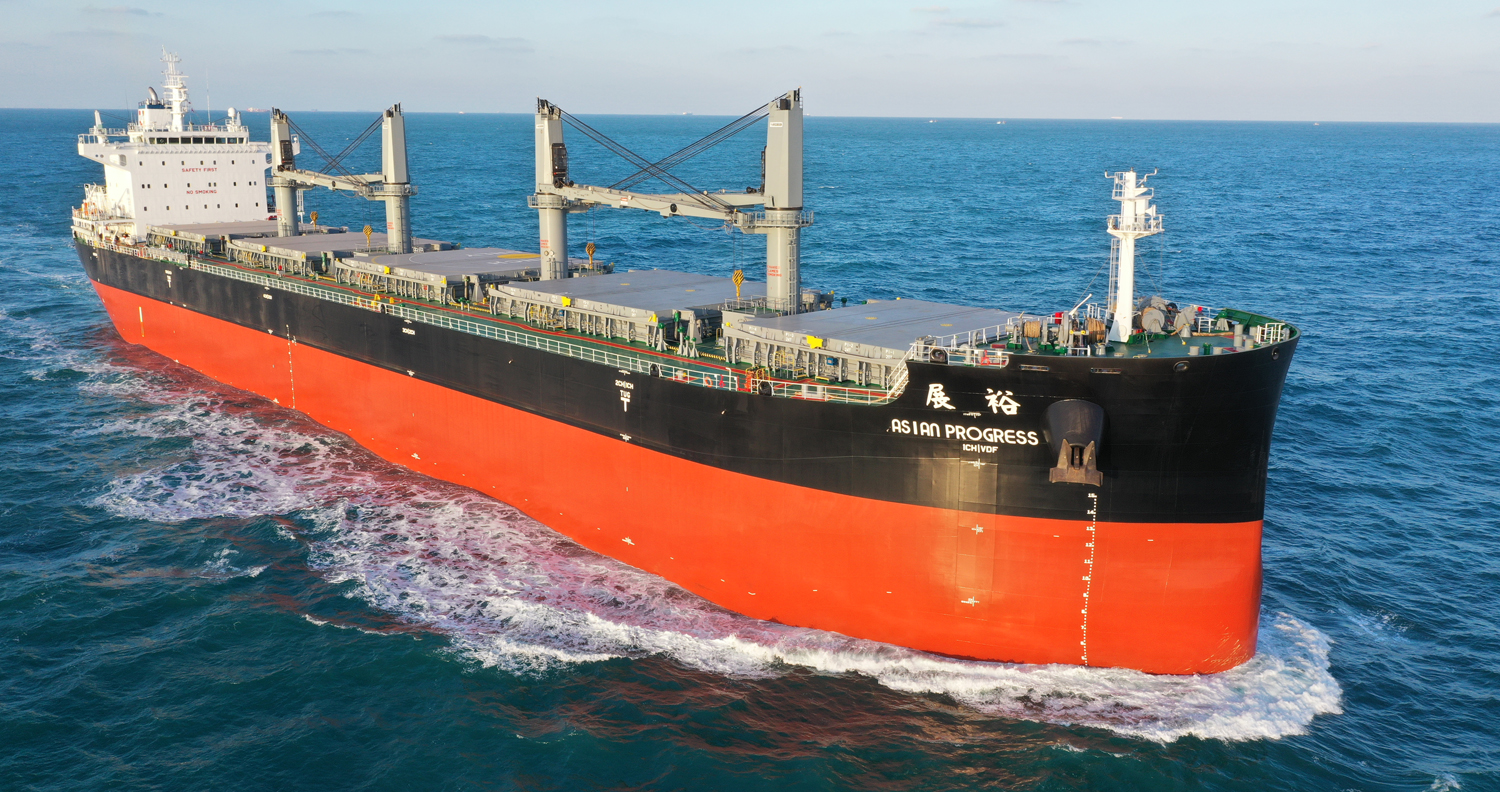
In addition, U-Ming Marine Transport continues to focus on next-generation alternative fuels such as ammonia and methanol, and evaluates the feasibility of biofuels. In July 2025, Asian Progress completed its first refueling operation with B24 biofuel (FAME B24), successfully accumulating practical experience in the application of low-carbon fuels.
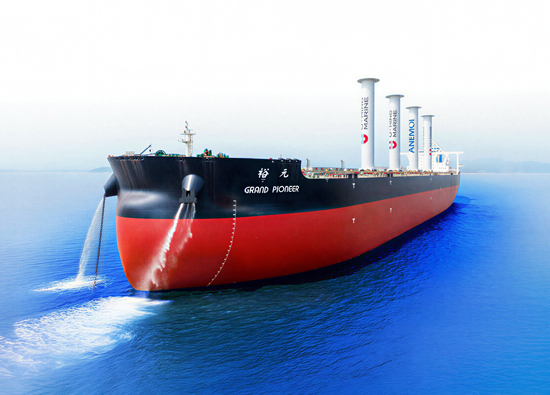
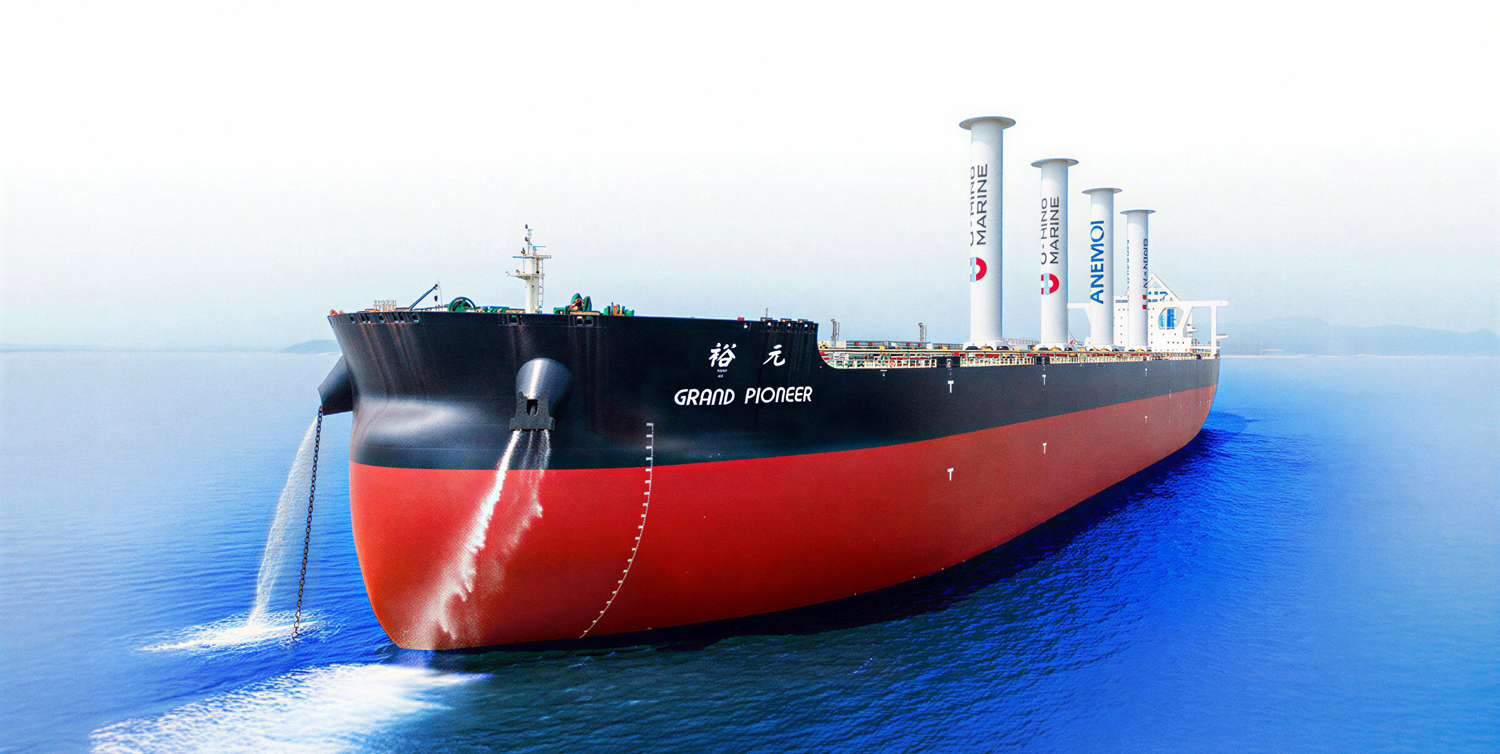
In addition to starting with fuel, U-Ming Marine Transport also creates efficient ship types through advanced hardware and design support. Taking rotor sails as an example, the wind assisted power generated by the rotation of the cylinder is used to assist in propelling the ship's navigation, effectively reducing the load on the main engine, saving fuel, and thereby reducing carbon emissions. Chief Operating Officer Li explained that U-Ming Marine Transport has spent nearly a year researching the import details with suppliers and has become one of the world's first bulk carriers to introduce this technology. If the results meet expectations, the next step is to consider applying it to more ships. Not only that, the Shaft Generator technology commonly used in the container shipping industry has also been systematically transplanted to the bulk fleet by U-Ming Marine Transport, which recovers the kinetic energy of the main engine during ship navigation, supplies electricity to auxiliary systems such as lighting and air conditioning on board, and reduces fuel consumption. In the future, all new ships of U-Ming Marine Transport will also be equipped with this configuration.
 On the other hand, ships that have been sailing in seawater for a long time will gradually attach marine organisms to the surface of their hulls, like wearing an increasingly heavy jacket, increasing water resistance and consuming fuel. U-Ming Marine Transport abandons traditional toxic anti fouling paints and adopts silicon-based FRC anti fouling paint. The smooth silicone surface can use the flow of seawater to naturally detach marine organisms during navigation, which not only improves navigation efficiency but also doubles the maintenance cycle when entering the dock, significantly reducing maintenance costs and downtime.
Digital management is like adding wings to a tiger
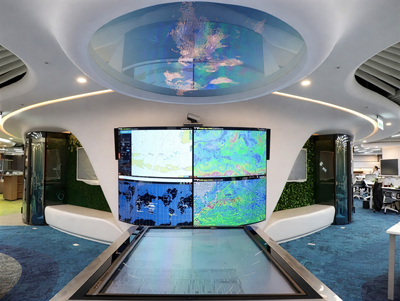
Sailing on the sea, facing the ever-changing climate, low-carbon equipment alone is not enough. Digital information systems are also needed to support and truly grasp various environmental information such as weather and ocean currents. This allows both crew and shore personnel to monitor the operation of the ship in real time, achieve the best voyage, and optimize ship efficiency management.
 The Fleet Safety Management (FSM) system independently developed by U-Ming Marine Transport can synchronize ship operation and meteorological data back to the company for shore analysis and monitoring. Combined with the Navigation and Energy Efficiency Management System (Performance Monitoring), it can not only enhance the overall operational performance and market competitiveness of ships, but also help improve the levels of IMO's Energy Efficiency Existing Ship Index (EEXI) and Carbon Intensity Indicator (CII), as well as respond to carbon emission regulations in various regions.
As an international shipping company, the environmental rating of its fleet undoubtedly affects the stability of its business and bargaining chips. According to Chief Operating Officer Li's analysis, "More than half of U-Ming Marine Transport's current vessels have achieved A-level or B-level ratings in the International Carbon Intensity Index (CII), ranking among the top in the industry. They have successfully obtained ISO 27001 (Information Security Management System) and ISO 27032 (Internet Security Management) evaluation certificates in 2025, demonstrating excellent ESG performance and naturally gaining the trust of large miners and industrial customers
At the same time, the company has independently developed an application called "AIO", which integrates important management parameters from various information databases into a single platform, enabling digital transformation and artificial intelligence to operate synchronously and enhance management capabilities. In the future, U-Ming Marine Transport also plans to collaborate with third-party operators to further collect data and monitor in real-time using AI technology, while verifying the effectiveness of past carbon reduction measures, providing more accurate evaluation basis for decision-making and management.
Humanistic spirit and international perspective
Low carbon operation and digital empowerment are intertwined into the survival laws of the new shipping era, and "people" are regarded by U-Ming Marine Transport as the key driving force behind the advancement of ships. In other words, only teams with new thinking can maximize the effectiveness of expensive software and hardware. Especially in the past five years, the size of U-Ming Marine Transport's fleet has expanded by about 30%. In 2025, it will enter the LNG transport ship market through a joint venture with Kawasaki Motor Company (K Line) in Japan, and deploy offshore wind turbine crew transport ships (CTV) and engineering service ships (CSOV) to extend the service chain from bulk cargo to energy transformation infrastructure. It is expected that the fleet size will reach more than 80 ships by 2028.
The expansion of the enterprise map has made the upgrading of internal management and reshaping of talents a new issue. Fortunately, the company has always made personnel training one of its top priorities. In addition to actively cooperating with regulations to arrange crew training and enhance professional skills, the company also regularly holds driver ship simulator training to strengthen fleet safety. It has also introduced a low orbit satellite communication system to connect the shore end and the cabin, making communication between crew and shore teams more immediate, enhancing cross departmental collaboration capabilities, and making it easier for crew members to contact their families, maintaining physical and mental health. The management can also free up time from tedious processes and spend time on truly important things - interacting with crew members, understanding on-site needs, integrating all information, and comprehensively thinking about the best solution to complete tasks.
The endpoint of net zero carbon emissions by 2050 may still be far away for the shipping industry, but the direction has been established and cannot be avoided. U-Ming Marine Transport will take practical actions to turn emissions reduction into an advantage, upgrade its fleet structure, increase the diversity of ship types, and respond to market expectations with comprehensive capabilities in carbon reduction compliance, risk management, and navigation safety.
#