
08.2025 Cover Story
Facing changes and demonstrating resilience, U-Ming Marine Transport seizes new opportunities for green development
U-Ming Marine Transport / Wang Update

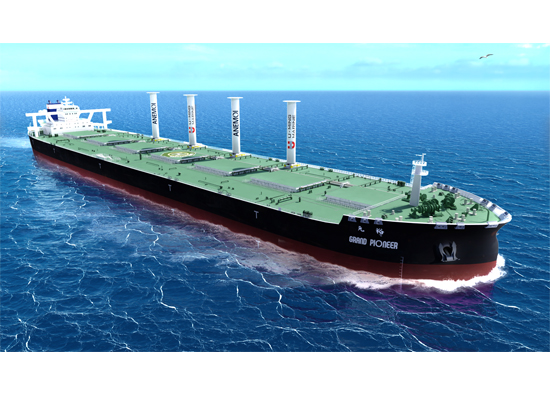
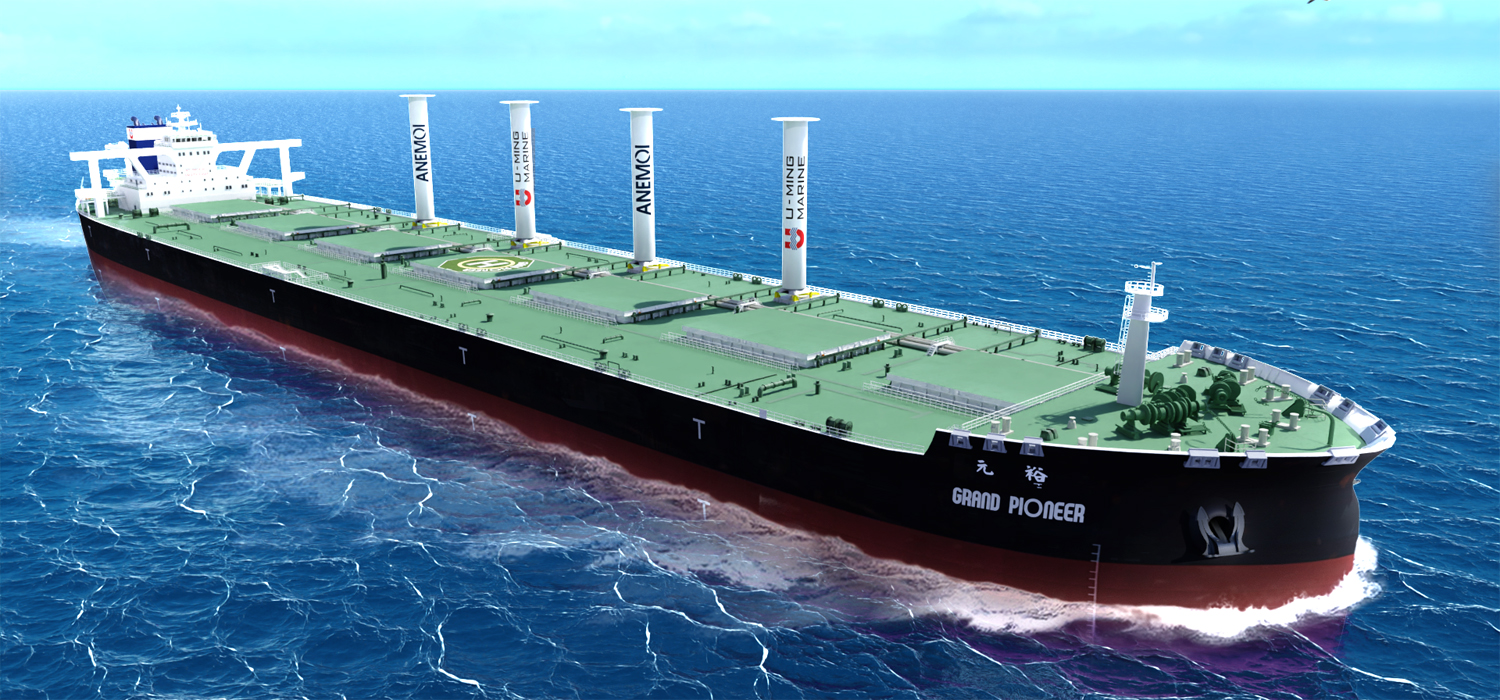 How can the shipping industry break through with the rising cost of carbon emissions and stricter international regulations? This issue's "Cover Story" introduces how U-Ming Marine Transport actively deploys sustainable strategies, creates resilient and forward-looking competitive advantages, comprehensively faces the green wave, and proves with strength that green transformation can also become a new engine for enterprise growth!
 Establish a governance foundation, practice sustainable operation mechanism
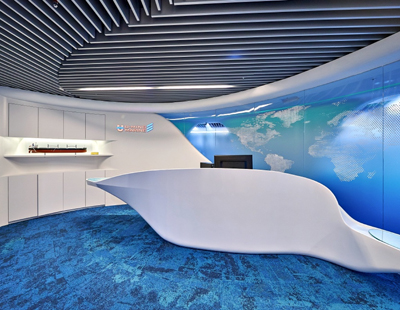 In order to practice corporate social responsibility, strengthen the company's sustainable governance mechanism, and achieve the goal of Sustainability Development, U-Ming Marine Transport officially established the "Corporate Sustainability Committee" under the board of directors from 2023 onwards, promoting the overall Sustainability Development strategy from top to bottom.
The Corporate Sustainability Committee is responsible for supervising and guiding the implementation of corporate sustainability policies, systems, and related management guidelines. It regularly reports the latest sustainability trends to the board of directors on a quarterly basis, assists senior management in comprehensively grasping sustainability development trends at home and abroad, and effectively integrates sustainability risk assessment and goal setting into corporate decision-making.
In the face of the global trend towards net zero emissions and increasingly strict international environmental regulations, U-Ming Marine Transport is led by the Sustainable Development Director, who coordinates internal resources, closely monitors the International Maritime Organization's (IMO) net zero goals and related environmental regulations, actively grasps the development trends of carbon reduction technology and green energy solutions in the shipping industry, and gradually introduces external sustainable information disclosure frameworks (such as TCFD, IFRS S2) for systematic analysis, evaluates the risks and opportunities that relevant regulations may bring to the company's operations, and assists the enterprise in deploying ahead of schedule and reducing potential impacts during sustainable transformation.
Given that climate change and carbon reduction issues involve multiple aspects such as operations, finance, technology, and supply chain, U-Ming Marine Transport also collaborates across departments such as shipbuilding, shipping, and procurement to jointly promote corporate climate transformation actions, ensure the company's stable transformation, and enhance sustainable competitiveness.
Mastering international trends, deploying ahead to respond to challenges
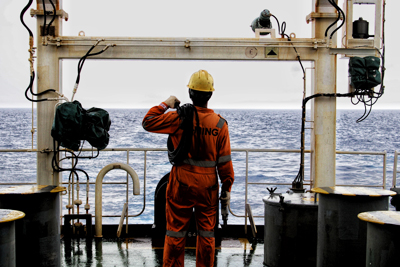 Starting from 2024, the maritime industry has been officially included in the regulatory scope of the European Union Emissions Trading System (EU ETS), and airlines are required to purchase carbon quotas for the carbon emissions generated by navigation between and into EU ports, officially entering a new era of "paid carbon emissions". The International Maritime Organization (IMO) expects to promote global market-based mechanisms (MBMs) starting from 2027, using economic incentives to price carbon emissions and accelerate the decarbonization transformation of the global shipping industry.
In view of this, U-Ming Marine Transport actively responds to the EU carbon emission policy and relevant carbon reduction regulations of the International Maritime Organization (IMO), and formulates short, medium, and long-term goals and specific strategies. Short - and medium-term plans to establish a carbon platform system, integrate emission data for Big Data analysis, in order to improve disclosure quality and serve as a decision-making basis. In terms of ship operations, operational strategies such as Slow Steaming and route optimization are adopted to effectively reduce fuel consumption and carbon emission intensity. In terms of alternative energy and emerging technologies, transitional alternative energy sources such as liquefied natural gas (LNG) and biofuels are adopted, and new technologies such as installing energy-saving equipment (such as rotor sails) on ships are gradually implemented to reduce carbon emissions. The long-term strategy is to continue monitoring and evaluating zero carbon fuel technologies, and to shift to zero carbon energy new ships such as Green Ammonia and Green Methanol at appropriate times.
According to the Financial Supervisory Commission, U-Ming Marine Transport is required to disclose perpetual financial information for the previous year in accordance with IFRS perpetual accounting standards starting from 2028. The IFRS S2 Climate Disclosure Guidelines require disclosure of the use of carbon pricing tools (such as internal carbon pricing) and their inclusion in the decision-making process. U-Ming Marine Transport has responded to the disclosure requirements in advance and released the first independent report of Taiwan's shipping industry based on the TCFD framework in 2024. In the future, we will cooperate with IMO to gradually initiate the construction of an internal carbon pricing mechanism and incorporate it into the overall operational strategy after announcing the MBMs details in October 2025. In addition, the company closely monitors carbon price fluctuations and the carbon credit market as a preparatory basis for future carbon trading and quota management.
Planning a green future and continuously building an energy-saving fleet
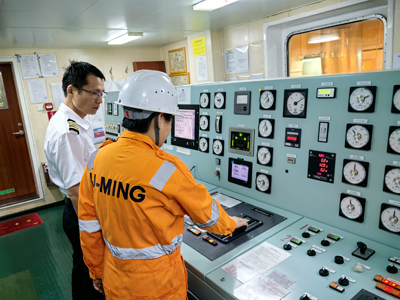
In order to maintain the efficient and energy-saving of the fleet, U-Ming Marine Transport strictly controls the signing of new shipbuilding contracts to ensure that the ships adopt energy-saving devices and continue to introduce multiple energy-saving and carbon reduction equipment, including traditional technologies such as deflectors, vortex fins, underwater energy-saving devices, low resistance coatings, and high-efficiency engines. At the same time, shaft generators, desulfurization devices, and NOx emission reduction treatment systems are added, and space for shore power, new fuel engine conversion, and carbon capture systems is reserved, comprehensively laying out low-carbon and zero carbon shipping. The FSM (Fleet Smart Management) system independently developed by U-Ming Marine Transport integrates meteorological navigation and optimized attitude control, coupled with adaptive cylinder control and remote performance monitoring of the main engine, greatly improving energy efficiency and fault warning capabilities. The driver's console is equipped with a VR operating interface and an automatic steering system, which further saves energy through the minimum steering angle strategy.
In terms of capital allocation, U-Ming Marine Transport adopts pragmatic and forward-looking strategic thinking, flexibly utilizing resources to enhance overall operational efficiency and sustainable competitiveness. Faced with increasingly strict environmental regulations and the market's high emphasis on green transportation, U-Ming Marine Transport evaluates asset value and return on investment during the process of replacing old with new, and continues to make strategic adjustments. In terms of handling old ships, priority should be given to upgrading plans for ships with high return potential, such as improving fuel efficiency, installing carbon reduction equipment, or optimizing ship operating systems to maximize the benefits of existing ships.
In terms of financial planning, U-Ming Marine Transport actively strives for sustainable linked loans and obtains interest rate reduction discounts ranging from 0.03% to 0.05% by achieving environmental performance goals. This can save the company USD 150000 to 250000 in financing costs annually, effectively reducing capital costs and enhancing financial flexibility. At the same time, it also demonstrates the high recognition of financial institutions for the company's sustainable operation.
As for business strategy, U-Ming Marine Transport is the first to invest in the construction and operation of liquefied natural gas (LNG) dual fuel vessels, making it a global leader in bulk shipping. Compared with traditional heavy oil, LNG dual fuel ships can reduce carbon emissions by 20 to 25%, making it a globally recognized transition to zero carbon fuel. U-Ming Marine Transport has signed a ten-year long-term green transportation contract with international mining giant Anglo American, which not only ensures stable operations but also further enhances brand image and customer trust. In addition, through the advantages of carbon reduction operations, U-Ming Marine Transport can effectively alleviate the cost pressure brought by future carbon taxes and carbon trading systems.
At the same time, U-Ming Marine Transport is actively investing in new ships and selecting new types of vessels that comply with future environmental regulations. The new ship design not only emphasizes environmental efficiency, but also considers the market's demand for energy-efficient and low-carbon ship types, in order to enhance future revenue stability and investment return. In addition, U-Ming Marine Transport also focuses on balancing the environmental performance and financial returns of new ships, ensuring that every capital expenditure is in line with long-term investment strategies, gradually building a more resilient and competitive fleet, and laying a solid foundation for future market changes and policy shifts.
Through the dual track strategy of upgrading old ships and investing in new ships, U-Ming Marine Transport not only steadily improves operational performance, but also demonstrates its commitment to environmental protection and strategic vision for corporate social responsibility.
#