
12.2025 Life Guide
Suspected of dementia? Diagnosis and treatment of normobaric hydrocephalus
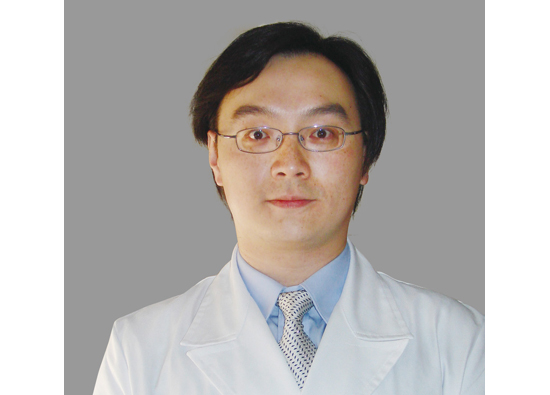
Dr. Huang Shihao, Neurosurgery Department, Far Eastern Memorial Hospital /

 You may have heard the joke of 'the brain is flooded', but in fact, there is indeed water in the structure of the human brain, and there is quite a bit. The main components of the human brain are brain cells, blood, and cerebrospinal fluid. If cerebrospinal fluid accumulates abnormally in the brain, it can lead to hydrocephalus. Among them, the elderly are prone to developing idiopathic normal pressure hydrocephalus (iNPH), which has symptoms and signs similar to dementia and Parkinson's disease. In this issue of 'Health Column', we will discuss the symptoms and treatment of normobaric hydrocephalus, and distinguish its differences from dementia.
 The production, reflux, and absorption of "brain crest marrow fluid" in the human body operate stably in a dynamic system. Adults produce approximately 300-500ml of "cerebral spinal cord fluid" per day, while the total amount maintained in the central nervous system is on average about 150ml.
The cerebral spinal cord fluid has a buffering and supporting effect on the central nervous system, which can synergistically regulate intracranial pressure, promote constant cerebral blood flow, and participate in the metabolism of the brain and spinal cord nerves, providing nutrition, assisting in the clearance of metabolic waste, and maintaining the normal pH value of the central nervous system. It is one of the important components in the brain. Once the operation process is disrupted, such as excessive secretion, poor absorption, or blockage of circulation channels, abnormal accumulation of cerebrospinal fluid in the brain can cause hydrocephalus. However, the common occurrence of "normotensive hydrocephalus" in the elderly is often overlooked due to its similar symptoms and signs to dementia and Parkinson's disease.
Disease and symptom manifestations
Atmospheric hydrocephalus was first described in a 1965 study and is one of the few dementia conditions that can be improved through treatment. The increase in brain pressure in these patients is not significant (only slightly higher than in normal individuals), and the main symptoms include gait instability (magnetic gait), urinary incontinence, and impaired behavior and cognitive function.
The symptoms that patients experience in the early stages of the disease are easily mistaken for normal aging phenomena. Some people may experience slower reactions to daily life, slower thinking, frequent forgetfulness, drowsiness, dull eyes, and significant personality changes. Unlike typical dementia patients who gradually regress over several years, the course of "normotensive hydrocephalus" progresses rapidly, and patients typically experience significant symptoms within a few months, which increases the risk of falls and even serious problems such as intracranial hemorrhage and fractures, leading to decreased self-care ability, accelerated deterioration of health, and increased family burden.
Diagnosis and treatment of normobaric hydrocephalus
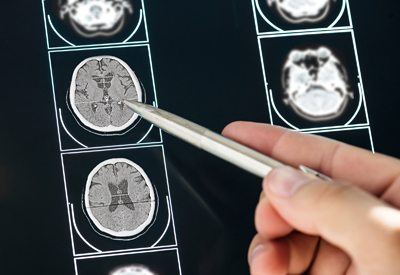
In addition to clinical manifestations, the main diagnostic tools for normobaric hydrocephalus are brain computed tomography or magnetic resonance imaging. In medical imaging, there may be ventricular enlargement or the presence of large lateral sulci. In clinical practice, if there is a suspected case, through imaging examination and clinical symptoms, it can be preliminarily suspected to be possible hydrocephalus. If you want to further improve the accuracy of diagnosis, you can perform a lumbar puncture test to measure the pressure of the cerebral spinal cord fluid, and first drain about 20-30 ml of the spinal cord fluid outside the body. If the condition improves, the diagnostic certainty increases to be very similar to probable hydrocephalus. If the patient has sustained improvement after undergoing surgery with a cerebral spinal cord shunt device, it can be diagnosed as definite hydrocephalus, which is a special feature of the diagnosis of normobaric hydrocephalus.
Regarding the treatment of hydrocephalus, diuretics, cerebral circulation enhancers, and other drugs were often used in the past, but the efficacy was not significant. At present, surgical procedures are still more effective, mainly involving the diversion of cerebral spinal cord fluid. Through the use of artificial tubing, excessive cerebral spinal cord fluid is drained from the skull, which can effectively control intracranial pressure. There are two surgical options, including the traditional "ventriculoperitoneal drainage system" and the newly introduced non open brain "lumbar abdominal drainage system", which is used to establish a long-term internal drainage system and gradually adjust the appropriate drainage volume according to the patient's symptom changes and imaging interpretation.
Generally speaking, the surgical process requires hospitalization for 3 to 4 days, with a small scale and high success rate. The operation time is about 1 to 2 hours, and patients can get out of bed and move around within half a day after surgery. They can be discharged within 48 hours. Postoperative wounds, such as those on the head, neck, and waist, are small wounds that need to be kept dry to avoid infection, and care is not difficult. Most patients experience significant improvement in symptoms within a few days after surgery; Some patients may experience preoperative symptoms several weeks later, and doctors will perform brain CT scans again. Currently, extracorporeal multi-stage adjustment of drainage valves is commonly used. If insufficient or excessive drainage volume is found, an electronic regulator can be used to adjust the drainage pressure to the most suitable level extracorporeally, which can improve symptoms.
The value of treating hydrocephalus
If a patient loses their ability to take care of themselves, it is not only a personal problem, but also affects the normal life of the entire family. The impact and treatment of normotensive hydrocephalus can greatly improve the patient's gait, urinary incontinence, and cognitive function, reduce the number of medical visits for the elderly after accidents caused by falls, and improve their future health status, which has a significant impact on family care.
Conclusion
Our neurosurgery department has a long-term cooperation with the Dementia Center, and has accumulated over 300 clinical experiences in the diagnosis and treatment of elderly patients with normobaric hydrocephalus. Since the introduction of the "lumbar abdominal drainage tube placement surgery" in 2012, it has helped patients to undergo drainage treatment without opening their brains, greatly improving their acceptance of treatment. Over 120 cases have been completed so far. In the future, the team will continue to improve the accuracy of diagnosis and treatment, hoping to provide more comprehensive and reassuring medical care for the elderly as Taiwan enters the super elderly society.
*Dr. Huang Shihao's expertise includes: treatment of hydrocephalus, cerebrovascular diseases (cerebrovascular, arteriovenous malformation, ischemic encephalopathy), minimally invasive cerebrovascular surgery, neurotumor diseases (brain tumors/pituitary tumors/skull base tumors/vertebral crest tumors), minimally invasive brain tumor surgery, degenerative vertebral crest diseases, and minimally invasive vertebral crest surgery.
#