
04.2026 Life Guide
From Diagnosis to Accompanying Reconstruction of Adolescent Emotional Support Network
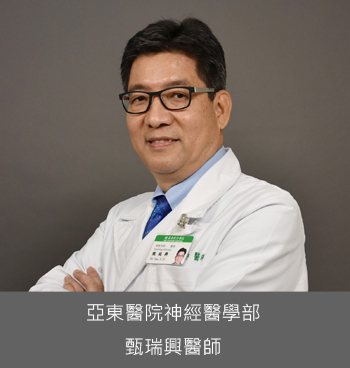
Dr. Ruixing Zhen, Department of Neurology, Far Eastern Memorial Hospital /


 Depression, anxiety, attention deficit, hyperactivity disorder, food disorders, destructive behavior, social disorders, internet addiction, alcohol and tobacco consumption, etc., are common problems among teenagers, and even 12 out of every 100 people have suicidal thoughts. If not resolved early, it may affect the physical and mental development and quality of life in adulthood. In this issue of 'Health Column', we will analyze the possible reasons and how to build a safe network for children to showcase their talents.
Various shocks and pressures faced by teenagers
According to statistics, about one seventh of teenagers aged 10-19 worldwide have mental health problems; Among teenagers aged 15-19, 5.5% have anxiety disorders and 3.5% suffer from depression.
Teenagers not only face physiological hormonal changes, but also emotional impacts from the death of family members, parental separation, unstable self-esteem and self-identity, complex peer relationships, academic pressure, and the impact of new technology networks. Due to poor expression, the clinical symptoms of depression often include decreased appetite, silence, social isolation, guilt, insomnia, weight changes, and decreased energy.
If these emotional troubles do not receive good support from family, school, and society, and are not dealt with in a timely and effective manner, they may develop into serious emotional disorders, which can affect an individual's mental health and quality of life. If there is a lack of channels to relieve stress, it is easy to go astray, leading to addiction to the internet, mobile phone addiction, alcohol consumption, smoking, drug use, joining gangs, crime, etc. Therefore, a deep understanding of the causes, manifestations, and coping strategies of adolescent emotional disorders is crucial for parents, teachers, and friends around them.
What is Neurodiversity
Adolescent emotional disorders are often diagnosed as hyperactivity disorder (ADHD), autism spectrum disorder (ASD), Asperger's syndrome, bipolar disorder, schizophrenia, depression, anxiety disorder, oppositional rebellion disorder, behavioral norm disorder, etc. However, the name of the diagnosis is not important, what is important is what clinical symptoms appear and whether they affect daily life.
Some parents are concerned that their children may be labeled, which could delay treatment opportunities and cause irreparable regret. In order to increase people's acceptance and inclusiveness of the differences in children's neurological development, Australian sociologist Judy Singer proposed the term "Neurodiversity" in 1998, which has been widely supported by European and American scholars for over a decade. According to statistics, approximately 2.5% of adolescents have symptoms of neurological diversity.
Neurodiversity refers to the cognitive differences in social, learning, attention, emotional, and psychological functions that occur in the human brain, resulting in diverse psychological changes such as social behavior, learning ability, and attention, rather than diseases or abnormalities. This diagnosis has been applied to individuals with autism, attention deficit hyperactivity disorder, developmental speech disorders, writing disorders, developmental coordination disorders, or reading disorders.
Children with neurodiversity typically have their own unique personalities that remain unchanged throughout their lives and often possess distinctive talents. It is recommended to provide more support, listen to and respect their opinions, let them know that their voices have been heard, and avoid using only high or low functioning autism to describe or label them.
International argument for improving emotional disorders in adolescents
In order to advocate for society to pay attention to the issue of adolescent emotional disorders, Far Eastern Memorial Hospital held an international conference on adolescent emotional disorders. American adolescent family therapist Tony Mosier stated at the conference that if children with emotional disorders at home do not feel too nervous or ashamed, it is not the fault of their parents, but rather the immature development of their nervous system. Giving children more time can help control most situations. In addition, parents should actively learn the skills of taking care of their children and assist them in dealing with emotions. For example, on weekdays, when there is a dispute, both parties should take a 15 minute break and wait for their emotions to calm before communicating.
According to American expert Tony Hansen, as the number of users of 3C products increases, there are also more and more children suffering from depression and anxiety. It is recommended to limit teenagers from using their phones for no more than two hours a day, not using them for 30 minutes before bedtime, and parents should lead by example by putting away their phones when talking to their children. In this way, not only can it improve sleep, but it also helps with psychological problems.
The United States now adopts a continuous care system, providing integrated support and care services from sunshine to residential institutions. For cases of recurrent serious emotional problems, self harm, suicidal tendencies, drug use, etc., wilderness treatment methods are provided. Through natural environment and activity-based therapy, young people are helped to stay away from technology, establish confidence and social networks. With the support of professional groups, combined with family participation and whole person therapy, it helps to provide more sustained and long-term treatment effects.
American psychiatrist James Palmer pointed out that treating adolescents with emotional disorders is not the responsibility of one person alone. Shared responsibility is the key to success, and the care team should include physicians, parents, teachers, friends, and social workers who are aware of the adolescent's condition.
Embracing neural diversity and establishing a comprehensive support network
In the face of adolescent emotional disorders, what we need is not more "labels", but deep "understanding" and "companionship", and we cannot fight alone in the process. The initiatives of Far Eastern Memorial Hospital and the continuous care system practices in the United States emphasize the importance of connecting physicians, family and friends, parents, teachers, and social workers. When we can replace judgment with respect and develop "social and emotional habits" instead of rigid diagnostic terms, we can weave a solid safety net for this group of unique children. Give children some time, give professional teams trust, and turn the traits of neural diversity into opportunities to showcase their talents, protecting every teenager from being missed by society.
Dr. Zhen Ruixing's expertise includes: dementia, epilepsy, Parkinson's disease, dizziness and headache, motor disorders, and numbness and weakness in the hands and feet. For detailed introduction, please refer to: https://www.femh.org.tw/section/sectionDetail2.aspx?CID=0206&&DoctorID=94390
#