
05.2026 Life Guide
Don't worry about hormone therapy during menopause
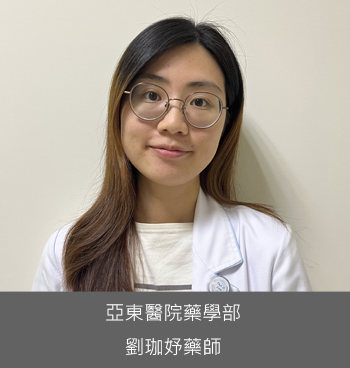
Far Eastern Memorial Hospital Pharmacy Department / Pharmacist Liu Jiayu


 As women age, ovarian function gradually declines, leading to a decrease in female hormone secretion and irregular menstrual cycles. When the last menstrual period ends and there is no menstrual period for one year, it can be defined as amenorrhea. The natural process of gradually decreasing hormones is the menopause that many women experience, usually occurring between the ages of 45 and 52. The possible discomfort symptoms caused by reduced secretion of estrogen and progesterone include hot flashes, night sweats, and palpitations due to unstable regulation of vasomotor function, as well as insomnia, anxiety, and other discomfort symptoms. In addition, a decrease in estrogen can lead to thinning of the surface of the vagina and urinary tract, reduced secretion, resulting in vaginal dryness and recurrent infections, and even bone loss and cardiovascular problems.
Effective Helper for Menopausal Syndrome - Hormone Therapy
Hormone therapy is currently the most effective method for treating menopausal syndrome and promoting quality of life. Physicians will choose the most suitable oral or topical hormone therapy drugs according to the patient's condition. The treatment forms are mainly divided into the following two types--
Single use estrogen therapy: suitable for women who have undergone hysterectomy and do not need to worry about the risk of endometrial hyperplasia. Symptoms can be alleviated through low-dose treatment. In addition to oral administration, there are also external dosage forms, including gel, vaginal cream and vaginal tablets for local symptoms.
Combination therapy of estrogen and progesterone: suitable for women who still have their uterus. Lutein can prevent excessive estrogen stimulation of the endometrium and reduce the risk of endometrial hyperplasia.
The treatment course is divided into periodic and continuous. The "periodic use" is the daily use of estrogen, which is combined with progesterone for 12-14 days. Mainly simulating the menstrual cycle, there will be bleeding similar to the onset of menstruation after taking progesterone. Continuous use "refers to daily supplementation of estrogen and progesterone, with only one compound needed per day, greatly increasing the convenience of administration.
Common hormone therapy drugs
Estrogen (oral): Conjugated estrogens 0.625mg (Estron), Estradiol 2mg (Estrode).
Estrogen (for external use): Estadiol gel 1mg/g/sachet (Divigel, Diviso gel), once a day, is applied to the skin of the lower torso or alternately applied to the inner side of the left and right thighs. After application, it should wait several minutes to let the gel dry, and it should not be washed with water within one hour; Conjugated estrogens cream 14g/tube (Premarin) should be used once before bedtime, along with a medication hose, to push the medication into the vagina about one finger deep; Estriol 0.5mg (Esvatin), take 1-2 tablets before bedtime and insert them into the vagina.
Selective tissue estrogen receptor activity regulator (STEAR): Tibolone 2.5mg (Livial), currently a pure self funded product, is characterized by its estrogenic, luteinizing, and androgenic activities. Therefore, it does not require the assistance of progesterone to alleviate menopausal discomfort and does not stimulate the endometrium and breasts.
Luteinizing hormone: Progesterone 100mg (Promone, Fu'anmeng soft capsules), Medroxyprogesterone 10mg (Provera, Prevera tablets), Norethisterone 5mg (Norina, Norina tablets).
Compound drugs (estrogen+progesterone): Estradiol 2mg+Orethisterone 1mg (Covina), Estradiol 1mg+Medroxyprogestelone 2.5mg (Venina). Apart from the choice of progesterone, there are also slight differences in the dosage of estrogen between the two, but both can alleviate menopausal symptoms. In addition, the indications for Kanglena film coated tablets can also prevent bone loss caused by estrogen deficiency; Estradiol 1mg+Methylestrone 5mg (Femoston) is currently a pure self funded product, with indications including prevention of postmenopausal osteoporosis in women.
Potential side effects of hormone therapy
Hormone therapy has a significant effect on improving menopausal discomfort symptoms, but there are also side effects and risks, such as nausea and vomiting, weight changes, irregular vaginal bleeding, breast tenderness, increased risk of blood clots, etc. Although symptoms usually adapt and improve over time with medication, if severe discomfort occurs after taking medication, immediate follow-up evaluation should still be sought. In addition, it is recommended to have a physician evaluate whether to adjust the dosage every six months during treatment, and to undergo a complete health check such as bone density, breast examination, and cardiovascular function every year.
Advantages, disadvantages, and evaluation of hormone therapy
For healthy women with menopausal symptoms, those who have stopped menstruating for 10 years, or women under the age of 60 without relevant contraindications (such as a history of breast cancer, coronary heart disease, thromboembolic events, etc.), hormone therapy has more advantages than disadvantages. It can effectively improve menopausal vasomotor symptoms, prevent osteoporosis, and reduce the risk of fractures.
However, to avoid increased risks of stroke, breast cancer, etc. due to prolonged use, the overall course of treatment is recommended to not exceed 5 years, and the patient's age should be less than 60 years old. The dosage should be based on the lowest effective dose. In short, the dosage and duration of treatment must be evaluated by physicians based on individual patient conditions in order to achieve a balance between efficacy and safety.
Daily health tips for menopause
In addition to hormone medications, good lifestyle habits can help maintain good physical health during menopause. In terms of diet, one can choose foods rich in tryptophan such as fish and dairy products to promote the production of serotonin and melatonin, and improve sleep quality. Exercise can be combined with aerobic and resistance training, such as brisk walking or dumbbell exercises, to maintain muscle strength and prevent osteoporosis. For health products, it is recommended to supplement 1200mg of calcium and 800 IU of vitamin D daily after menopause to help prevent bone loss.
In addition, Far Eastern Memorial Hospital's self funded health product "Fujiabao" contains ingredients such as soy extract, calcium, vitamin B12, etc. Among them, soy extract contains soy isoflavones, which are a general term for plant estrogens. Its structure is similar to estrogen and can bind to estrogen receptors to exert weak regulatory effects. I hope this article on correct medication and daily health care concepts can help you calmly embrace the new stage of life.
#